Thursday, 18 September 2014
Rainbows are a Girl's Best Friend!
I was thinking of Rainbows this morning.......so long since we have had a really good rain storm with the gutters bubbling over, but there are Rainbows about..Yes I drove through a really big one only a few days ago, & I felt like that little girl experiencing fairy land for the first time & creating a wish or wondering where the pot of gold was hidden!
Now talking about Rainbows.......Nature abounds in them & this brings me to our food selection.
Greens, greens, "eat your greens" rings in my ears from childhood, although after being boiled to within an inch of their life, the greens became browns! It certainly didn't encourage me to devour my greens........ and what about all the oranges, yellows,reds,purples & blues?
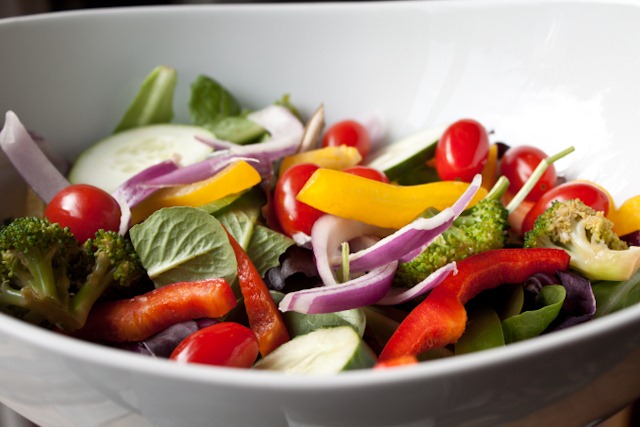
Eating a Rainbow of colour does not apply to adding a handful of M&M'S to the plate! I am talking about living plants,..... veggies & fruit. Does our diet fall into the beige category with porridge or cereal for breakfast with croissants, a sandwich or soup for lunch & pasta for dinner? Pretty bland, eh? It's the tiny compounds that create the colour in fruit & veggies that is so awesome, this is where the magic happens & what contributes to a healthy diet. Plants use colours as their protective mechanisms, their security blanket for the sun & pests, but also to attract birds & insects for pollination & seed dispersal. Those colours are the sources of powerful phytonutrients or photochemicals which amongst other things, when consumed, stimulate enzymes that help the body eliminate toxins & boost the immune system. These protective mechanisms of plants, are powerful defenders of our health so you can see why, even with this very simple explanation, that a bland, beige diet is far from ideal.
There is such a variety of colour to choose from, green, yellow, orange, red, purple, blue & white, all representing different families of natural healing chemicals. In Nature plant foods come in a painter's palette of colour. May I gently suggest that next time you go shopping, that you think "Rainbow" into your shopping basket & see just what an array of colour you can find for your weekly meals. It can be fun to try new veggies or fruits & if you don't know what to do with them, Google .......& up comes numerous ideas, even recipes. Eating the Rainbow is simple & is an important step in increasing Raw life giving foods into your diet. Just including one fruit & 3-4 veggies in each of your meals will make a massive difference as to how quickly you bounce out of bed each day!
Shop & cook with colour, pack colour into your refrigorator & onto your plate & watch the magic happen!
Monday, 8 September 2014
Protein for Vegans
Nuts, seeds, grains, and beans are nutritional powerhouses. However, the natural agents that protect them from early germination can wreak havoc in our digestive system. Soaking and sprouting replicates germination, which activates and multiplies nutrients (particularly Vitamins A, B, and C),
It's truly amazing how the old question of " what about my protein" comes up every time someone hears about me eating vegetarian & vegan food. We all seem to have been brought up to believe that Meat & Dairy are the superior forms of protein & we can't live without consuming these products!
It is medically considered for ideal health that a female requires between 45 & 50 grams per day & a male 45 to 65 grams, perhaps a little more if the female is breast feeding.
Protein comes in so many forms, particularly leafy greens, & sprouted nuts, seeds, grains & beans.
Sesame seeds, pumpkin seeds, sunflower seeds, chia seeds, flax & hemp seeds just to name a few, almonds, walnuts, hazelnuts, macadamia nuts, cashews, peanuts along with chorella & spirulina, sprouted quinoa, mung beans, alfalfa & broccoli sprouts, lentils, chickpeas, avocado.....the list goes on & on......so plenty of choice.
What many of us don't realise is that our bodies recycle approximately 80% of our protein, & cooked protein is denatured & largely unusable by our bodies; this would suggest that we actually need far less protein than is taught by conventional dietetics. 35 grams of bee pollen actually satisfies a man's protein requirements for a whole day & it contains more protein per gram than meat or fish....pretty interesting, eh?
Just as an example here are a few foods to consider, so you can see that over a day you have more than sufficient protein without even trying!! Oats, smoothies, salads with nut dressings, soups, wraps & lots of greens in stir fries with sprouted grains, lightly steamed veggie dishes with a protein yummy sauce with a salad etc all make for a very balanced protein enriched diet.
Avocado 4 grams
Greens 2-4 grams per cup
1 cup of sprouted lentils 49 grams
1 cup broad beans 39 grams
1 cup chick peas 38 grams
1 cup pumpkin seeds, sunflower seeds, almonds etc about 30 grams on average
1 cup oats 26 grams
What Is Sprouting?
Seeds sprout after a few days in a warm, moist setting. It usually takes 3 to 7 days, depending upon the conditions and kind of seeds being used.
Continue reading below...
You've probably heard of bean sprouts. But many foods can be sprouted, including:
- Grains, such as barley, wheat, and spelt
- Legumes, such as lentils, peas, and pinto, kidney, and lima beans
- Radish and broccoli seeds
Some people also sprout nuts, including almonds, cashews, walnuts, and peanuts. Just soaking nuts for several hours or overnight makes for a very healthy choice.
Sprouting Chemistry
The sprouting process may make it easier for a body to absorb nutrients including iron, zinc, and vitamin C.
Digestion Benefit
Sprouting breaks down a seed. That means less work for your digestive system.
Sprouted foods are particularly beneficial for someone with a sensitive tummy," "For people with problems digesting certain foods, sprouted nuts & grains are usually better for them, and they are less allergic for people with grain protein sensitivities."
Tuesday, 19 August 2014
Deliciously Raw, Mustard.....
There is nothing like a homemade Sweet & Spicy Mustard. When I make this recipe I usually make a double batch; mustards can pack a punch, so they may not be for the fainthearted.
This recipe is so simple and inexpensive to make that I don’t think I will ever purchase mustard again.There are many recipes that include mustard in dressings, on potato salad, veggie burgers & so forth so I encourage you to make a batch and keep it in your fridge. It will last 2-3 months depending on the household!
My husband has always loved mustard & I have been thinking that this should be very easy to make....and so it is......
When the time comes to purchasing the seeds you will find that they come in yellow/white, brown and black… though personally I have yet to find the black ones.There is a difference in flavor, black seeds are sharp in flavor and have a nutty aftertaste.The brown are sweeter and milder than the black and the yellow/white seeds are very subtle in flavor. The rule of thumb is that the smaller and darker the seed is.. the hotter it will be.
If you are new to using these seeds, they don’t have any smell or taste UNTIL… they are cracked and exposed to cold water. This is when an enzyme is released and then mustard mayhem starts. It takes all of ten minutes for the seeds to reach their optimum flavor.The secret to making a good mustard is to activate the seeds, then neutralize them with an acid, such as lemon juice or vinegar. Now come on… that is quite fascinating if you ask me.
Ingredients: about 2 cups
- 3/4 cup mustard seeds, (single or mixed colors to taste) soaked in 1 cup water for 24hrs
- 1/2 cup lemon juice or Apple Cider Vinegar
- 5 Medjool dates, pitted ( could also use maple syrup or agave)
- 2 Tbsp Tamari
- Some fresh herbs of choice & a dash of tumeric ( optional)
Preparation:
- Soak the mustard seeds in the water for 4-8 hours. Do not drain off any water, there shouldn’t be any due to the seeds soaking it up.
- Place the soaked seeds, lemon juice, dates, and tamari in the blender and blend to form a smooth paste. You can blend it smooth or leave bits of seeds nice and visible. I used the Vitamix blender and blended for 10 seconds on high.
- Some finely chopped fresh herbs can also be folded in at this point eg thyme rosemary
- Store in a glass jar in the fridge for up to 2 months.
Some more Thoughts:
- If you plan on making a double batch, do it one batch at a time, as it can be a bit taxing on your blender. I like a mix of brown & golden seeds.
- Try to purchase organic mustard seeds if possible. Mustard powder and mustard seeds should be kept in a tightly sealed container in a cool, dark and dry place.Prepared mustard should be refrigerated.
- Mustard seeds are a very good source of selenium and omega-3 fatty acids. They are also a good source of phosphorus, magnesium, manganese, dietary fiber, iron, calcium, protein, niacin and zinc.
Monday, 11 August 2014
Salad Dressing Recipe Template
I was recently treated to a beautiful spread of Vegan Food daily during a trip away to Barrington Tops; my husband & I attended a group gathering there run by Jesus & Mary & it was such a treat to have such delicious Vegan food for the entire 9 days....not often so readily available when travelling away, so a Big Thank You to Mary for organising this for everyone.
Naturally an array of fresh salads accompanied our main meal each day & it reminded me of all the infinite salad dressings just waiting to be created it our kitchens, & how easy it can be once you have a template. This can change the flavors of salads & live foods every day of the week so it is well worth experimenting & bringing out your creative side.

These Pictures are from the Internet...I keep promising myself I will photograph my own next time!
It only takes a matter of minutes to make your own dressing & this way it is easy to keep an eye on your ingredients. Just run your eye down the list of chemical lab produced products in a bottle of Supermarket Dressing & I guarantee many of the 15-20 ingredients will even be evasive on an Internet search...Whow!
I encourage you to step out of your comfort zone and try making a few dressings of your own.You just might surprise yourself! Trust me, you are listening to someone who grew up on boiled homemade mayonaise, & that was the only choice but at least it was a reasonably healthy concoction & Mum didn't head to the Dressing Isle with its sugar laden options ....
Below you will find the 5 ingredients broken down into 5 categories, along with a few examples to help you get your thought process moving.
(B) Salts – Celtic Sea salt, Crystal salts, Nama Shoyu, Miso, Sea vegetables
(C) Acids – Lemon, Lime, Orange, Grapefruit, Tomato, Sauerkraut, Apple Cider Vinegar
(D) Sweets – Dates, Figs, Dried Fruit, Honey, Orange, Berries, Papaya, Mangos
(E) Aromatics – Herbs & Spices – Garlic, Ginger, Onion, Chili, Peppers, Cayenne, Basil, Oregano, Thyme, Dill, Mint, Curry, Sun Dried tomatoes
Tips:
Dressing your salads:
A word on reducing oils:
Here are some examples of combinations that can be made but don’t limit yourself to just these. Dressings are best made in a blender, but can be whisked if you do not have one.
Naturally an array of fresh salads accompanied our main meal each day & it reminded me of all the infinite salad dressings just waiting to be created it our kitchens, & how easy it can be once you have a template. This can change the flavors of salads & live foods every day of the week so it is well worth experimenting & bringing out your creative side.
These Pictures are from the Internet...I keep promising myself I will photograph my own next time!
It only takes a matter of minutes to make your own dressing & this way it is easy to keep an eye on your ingredients. Just run your eye down the list of chemical lab produced products in a bottle of Supermarket Dressing & I guarantee many of the 15-20 ingredients will even be evasive on an Internet search...Whow!
I encourage you to step out of your comfort zone and try making a few dressings of your own.You just might surprise yourself! Trust me, you are listening to someone who grew up on boiled homemade mayonaise, & that was the only choice but at least it was a reasonably healthy concoction & Mum didn't head to the Dressing Isle with its sugar laden options ....
_____________________________________________________________________
Groups A, B, & C are the main ingredients. D & E are items added depending on mood or salad.
(A) Oils/Fats – Olive oil, Hemp & Flax oil, Coconut oil, Nut butters, Tahini, Sesame seeds, Sunflower seeds, Pumpkins seeds, Pinenuts, Almonds, Cashews, Macadamia nuts, Avocado(B) Salts – Celtic Sea salt, Crystal salts, Nama Shoyu, Miso, Sea vegetables
(C) Acids – Lemon, Lime, Orange, Grapefruit, Tomato, Sauerkraut, Apple Cider Vinegar
(D) Sweets – Dates, Figs, Dried Fruit, Honey, Orange, Berries, Papaya, Mangos
(E) Aromatics – Herbs & Spices – Garlic, Ginger, Onion, Chili, Peppers, Cayenne, Basil, Oregano, Thyme, Dill, Mint, Curry, Sun Dried tomatoes
_____________________________________________________________________
Extra ingredients but not limited to:- chopped shallots, scallions, or sweet onion
- minced garlic
- grated ginger (nice in lime-based dressing on simple green salad with nectarines)
- chopped fresh herbs like chives, chervil, mint, and/or parsley (mint is especially nice with citrus)
- a tablespoon of whole grain mustard
- a tablespoon of flaked nutritional yeast (adds a cheesy flavor)
- Add water when possible to most dressings to allow for the use of less oil. Personally, I love using avocados in place of an oil. The calories and fat grams will lower if you are looking for a lower calorie alternative. If you use avocados, make sure to add them as the last ingredient. If you over blend them it can affect the flavor and texture.
- Always add the acids (C) last because that will make the dressings thicker and creamier.
- Using a blender will help you achieve a creamier dressing but if you don’t have access to one a mason jar will work. Just add your ingredients, put the lid on and shake away.
- Creamy dressings will stick to the greens in your salad better and prevent a puddle in the bottom of your dish.
- Soaking nuts that you may use in your dressings is beneficial for a couple of reasons. One being that soaking most nuts releases the enzyme inhibitors making them easier to digest and also soaking the nuts will help to soften them a bit for blending purposes. This will help to avoid a gritty dressing.
- The addition of a little mustard helps bind oil and vinegar together, making for a more stable emulsion.
- The ratio for a vinaigrette is typically 3 parts oil to 1 part vinegar or lemon juice, etc..
- Make a quick avocado dressing by combining half an avocado with a cup of vinaigrette in a blender or food processor. Process until smooth.
- Leafy salads should always be dressed at the last possible minute.
- I can’t emphasize enough the importance of thoroughly drying all salad ingredients before dressing them. The best dressing in the world can’t save a salad if the greens haven’t been thoroughly dried. Invest in a salad spinner, it is essential kitchen equipment.
- Bold greens such as peppery arugula or bitter chicory with an equally assertive dressing; e.g. balsamic vinaigrette.
- Tender, mild lettuces — butter or Bibb lettuces or baby greens, for instance — are best treated with more delicacy. Lemon juice or a mild vinegar such as white wine, champagne or rice wine are most appropriate.
- Romaine and other crisp, mildly flavored lettuces have an affinity for creamy dressings. Similarly, stronger flavored, fleshier greens beg for a more generous hand with the dressing; greens more delicate in flavor and substance are better when lightly dressed.
- When purchasing your greens a heavier head indicates freshness, also look for crisp leaves. There shouldn’t be any bruising or browning on the leaves. Look at the base of the greens, there shouldn’t be much browning, if there is, it means that it has been sitting around longer after harvesting.
- Olive oil is a classic, but it might not be the flavor you’re looking for. Avocado oil is another smooth, richly flavored option, but I think my favorite is possibly Macadamia oil although there are numerous others you may prefer. Changing them regularly rather than always using the same one is a good idea.
- Walnut oil (or another nut oil) is a nicely flavored option.
- Seed oils like hemp, flaxseed, or grapeseed oil are delicious choices.
- When reducing oils in your dressing to cut calories adding chutney or mustard, which will add flavor and help to emulsify the other ingredients. Choose strong flavored oils such as toasted sesame, walnut or peppery extra virgin olive oil that, even when used sparingly, contribute a lot of flavor to dressings. Treat yourself to premium vinegars such as aged balsamic vinegar, which is concentrated and low acid. You’ll be able to get by with less (or even no) oil if the vinegar you use isn’t too puckering. Find your light dressing too tart? Add a pinch of sweetener to offset the acidity of the vinegar.
- Carotenoids, found in salad leaves, are best absorbed when eaten with a little oil. Try adding delicious oil-based dressings, or even an avocado with its healthy monounsaturated fats, to maximize their availability
Here are some examples of combinations that can be made but don’t limit yourself to just these. Dressings are best made in a blender, but can be whisked if you do not have one.
- Basic Tahini – Water, Tahini, Nama Shoyu, Lemon juice, Garlic (this goes well when served on baby spinach and an onion salad)
- Spicy Thai – Olive oil, Almond butter, Nama shoyu, lime juice, honey, ginger, garlic and thai pepper (this is yum served on cabbage, bok choy, raisins, coconut and scallions)
- Date dressing – Water, olive oil, miso, lemon juice, dates and garlic (lovely on a mixture of baby greens)
- Creamy Italian – Water, macadamia nuts, celtic salt, apple cider vinegar, garlic, basil and oregano
- Tropical Vinagrette – Flax oil, celtic salt, apple cider vinegar, mangos, papaya, mint and garlic
- Sun Dried Dream – Cashews, celtic salt, grapefruit juice, apple cider vinegar and sun-dried tomatoes
- Ageless – Water, sesame seeds, miso, sauerkraut, garlic
- Avo Dressing Avocado, celtic salt and lemon juice
- Curry Cream – Tahini, celtic salt, orange juice, ginger and curry
Sunday, 20 July 2014
I don't know about you, but I love olives .........
Olives & Olive Oil has long been recognised for the great health benefits that this wonderful fruit offers; olive oil is a good source of healthy fat when consumed in small quantities regularly & is particularly beneficial for heart health.
Black olives make a tasty addition to a salad or pizza, can be used as an addition to any bread mix or tomato recipe or as nice hors d'oeuvres at a party. Olives can in fact be found in numerous dishes adding a little something to any home meal. Black olives have more than a distinctive flavor to offer; these small fruits are packed full of nutrients and are a recognised staple in many Countries, particularly around the Mediterranean.
A delicious way to enjoy a Raw Olive Dish is to make an Olive Tapenade which can be spread over crackers for a Yummy snack.
Mix together 1 cup olives, 1/4 cup softened sundried tomatoes, 1 tablespoon of capers, 1 clove crushed garlic, 1 tablespoon chopped basil, a pinch of marjoram, oregano & rosemary & salt & pepper to taste.
ENJOY!
Matthew Wilson has written this history in part of the Olive Tree & I thought you might be interested in what he has to say. Thank you Matthew.
There is a deep and diverse mythology surrounding ‘the first of all trees’
'The Olive Orchard’ (1889) by Vincent Van Gogh
Olive tree pruners in Italy, 1894
The olive was one of three trees (the others being the cypress and cedar) that sprang from seeds from the Tree of Knowledge
Detail of Noah on mosaic at St Mark’s in Venice
There are depictions of olive oil production in ancient Egyptian art, and a tool for pressing oil found among grave goods. Tutankhamun wore a crown woven with olive leaves, and Ramses III presented olive branches to Ra, the sun god, as a symbol of enlightenment.
A Greek amphora depicting an olive harvest in the 6th century BC
Athena’s tree was reputedly planted in the Acropolis but was burnt to the ground during the Persian invasion of 480BC. The blackened tree was abandoned to the smouldering ruins but began to produce new shoots, from which, legend has it, every olive in Greece is propagated. Such a high value was placed on the olive that the Constitution of Athens was amended during the time of Solon (638BC-558BC) to include a law covering the cutting of olive trees. Regardless of whether the tree was on public land or in private ownership, a guilty verdict meant the death penalty for the culprit.
Harvested olives in Greece
Olives became global plants from the mid-1600s, firstly as introductions to Latin America, then from the late 18th century to California, China and Japan.
Olive tree in a commercial grove
In the medieval town of Pollensa there is an olive tree that seems to be clinging on to life by divine providence alone
Even as far north as Britain there are elderly olives to be admired. The largest is at Chelsea Physic Garden on the Embankment in London. Great uncertainty exists over the age of this tree (it is certainly more than 100 years old) but, remarkably, it often produces viable fruit in the comparatively balmy microclimate of the garden. Enough, in a good year, to make one whole jam jar full of oil.
The large, aged olive trees that can now be obtained at nurseries and garden centres are often a consequence of commercial imperative. As soon as the productivity of an individual tree declines, its number is up. In the past, trees would often be cut down and burnt but now the emergence of a market hungry for old trees with character has offered them a reprieve. A naturally shallow root system makes them relatively easy to lift and transport too. So a tree born on a Greek hillside in the years before the Battle of Hastings could conceivably end its days actually in Hastings.
Monday, 14 July 2014
Homemade Remedies for the Veggie Patch
Raw Foodies love their Veggies so here are a few tips for growing healthy plants at home.
Insect infestations can be a common problem in vegetable gardens. Some bug species will eat the fruit produced by your plants, while others weaken the plant by chewing the leaves and stems or even the roots. To stop bugs from destroying your vegetable garden, gardeners can use a combination of ideas without resorting to pesticides & chemicals.
With companion planting we often avoid too many problems in the veggie patch from marauding insects & bugs; Gardening Australia has many recommendations but to give you a basic idea, here are a few examples.
The picture is from the same Resource.
| Plant | Good Neighbours | How it works | Bad Neighbours |
| Apple | Nasturtium, Chives | Nasturtium climbs tree and is said to repel codling moth | Potatoes |
| Apricot | Basil, Tansy, Asparagus | Basil and tansy are said to repel damaging insects | |
| Asparagus | Apricot, Basil, Chives, Comfrey, Lovage, Marjoram, Parsley, Tomatoes | Basil and Parsley are said to improve flavour. Onions and garlic release substances reducing growth. | Garlic, Onions |
| Balm (Lemon) | Tomatoes | Attracts bees, said to enhance flavour and growth | |
| Basil | Tomatoes | Basil said to repel flies and mosquitoes | |
| Beans (climbing) | Broccoli, Brussel Sprouts, Cabbage, Carrots, Cauliflower, Corn, Lettuce, Lovage, Majoram, Parsley | Beetroot, Chives, Garlic, Gladiolus, Onions, Sunflower | |
| Beetroot | Beans (bush), Broccoli, Brussel Sprouts, Cabbage, Cauliflower, Kohl Rabi, Lettuce, Lovage, Marjoram, Onion, Peas, Potato, Spinach, Silverbeet | Bad Neighbours roots release substances reducing growth | Beans (Climbing), Tomato |
| Borage | Squash, Strawberries, Tomato | Said to deter tomato worm and improve tomato flavour and yield. Said to increase strawberry yield. | |
| Brassicas (Incl: Broccoli, Cabbage, Cauliflower) | Beans, Beetroot, Carrots, Chamomile, Coriander, Cucumber, Dill, Lettuce, Lovage, Marjoram, Marigold (French), Mint, Nasturtium, Pea, Potato, Rosemary, Sage, Tansy, Thyme,TomatoZinnias | Dill attracts a Cabbage White Butterfly controlling wasp. Nasturtium disguises and repels aphids. Sage repels the Cabbage White Butterfly. Zinnias attract ladybirds, which we love! Bad Neighbours roots release substances reducing growth | Garlic, Rue, Strawberry |
| Capsicum, Chilli | Carrots, Onions, Tomato | ||
| Carrots | Beans, Chives, Coriander, Cucumber, Leeks, Lettuce, Lovage, Marjoram, Onion, Pea, Radish, Rosemary, Sage, Tomato | Bad Neighbours roots release substances reducing growth | Dill, Celery |
| Celery | Cabbage, Chives, Dill, Dwarf Beans, Leek, Lovage, Majoram, Onion, Pea, Sage, Spinach, Tomato | Bad Neighbours roots release substances reducing growth | Carrots, Parsnip, Potato |
| Chamomile | Cabbage, Onion | Deters flies and mosquitoes. Strengthens neighbouring plants | |
| Chives | Apples, Cucumbers, Lettuce, Peas | Prevents Apple Scab. Said to deter aphids | Beans |
| Cucumber | Basil, Bens, Borage, Broccoli, Brussel Sprouts, Cabbage, Carrot, Cauliflower, Corn, Dill Kohl Rabi, Lettuce, Lovage, Marjoram, Nasturtium, Parsnip, Pea, Radish, Sunflower, Tansy | Bad Neighbours roots release substances reducing growth | Potato, Sage, Strongly Aromatic Herbs |
| Dill | Brassicas (Incl: Broccoli, Cabbage, Cauliflower) | Dill attracts a Cabbage White Butterfly controlling wasp | |
| Eggplant | Beans, Spinach | ||
| Garlic | Apricot, Cherry, Mulberry, Parsnip, Peach, Pear, Raspberry, Rosemary, Rose | Deters aphids, especially from roses and raspberry. Repels Cabbage White Butterfly | Beans, Cabbage, Peas, Strawberry |
| Kohl Rabi | Beetroot, Onion | Beans, Tomato | |
| Leek | Carrot, Celery, Lovage, Majoram, Onion, Parsnip, Strawberry | Beans, Peas, Parsley | |
| Lettuce | Achillea, Beans, Beetroot, Cabbage, Carrot, Chervil, Coreopsis, Cucumber, Lovage, Marjoram, Marigold (French), Onion, Parsnip, Pea, Radish, Strawberry, Zinnia | Achillea, Coreopsis & Zinnia attract pollinators and offer shade for lettuce | Parsley |
| Marigolds (French) | Numerous vegetables, including tomato | Kills root knot nematodes and eel worm | |
| Melon | Radish, Sweet Corn | ||
| Mint | Cabbage, Tomato | Deters pests such as Cabbage White Butterfly, ants and fleas | |
| Nasturtium | Cabbages, Fruit Trees, Radishes, Zucchini | Flowers repel aphids and codling moth. Cabbage white butterfly is attracted to this plant, and will seek it out over cabbages | |
| Onion | Beetroot, Broccoli, Cabbage, Carrot, Chamomile, Leeks, Lettuce, Lovage, Marjoram, Parsley, Parsnip, Silverbeet, Strawberry, Summer Savory, Tomato | Smell of onion said to deter numerous pestsOnions release substances reducing growth of Bad Neighbours | Asparagus, Beans, Gladioli, Peas |
| Parsley | Asparagus, Sweet Corn, Tomato | Said to improve flavour of asparagus and tomato | |
| Peas | Beans, Beetroot, Brussel Sprouts, Cabbage, Carrot, Cauliflower, Celery, Cucumber, Lettuce, Lovage, Marjoram, Parsnip, Potato, Radish, Sage, Squash, Sweet Corn | Bad Neighbours roots release substances reducing growth. Sweet Corn has traditionally been used as “living stakes” for peas | Chives, Garlic, Onion, Shallots |
| Potato | Beans, Broccoli, Brussel Sprouts, Cabbage, Cauliflower, Corn, Eggplant, Horseradish, Lovage, Marjoram, Marigold (French), Nasturtium, Parsnip, Peas, Sweet Alyssum, Sweet Corn, Watermelon | Sweet Alyssum and Marigolds attract beneficials and suppress weedsPotatoes release substances reducing growth of Bad Neighbours. Horseradish should be planted at the corners of the patch | Apple, Celery, Cherry, Cucumber, Pumpkin, Raspberry, Rosemary, Squash, Sunflower, Tomato |
| Pumpkin | Beans, Cabbage, Eggplant, Peas, Radish, Sweet Corn | Bad Neighbours roots release substances reducing growth | Potato |
| Radish | Beans, Carrot, Chervil, Cucumber, Sweet Corn, Cucumber, Lettuce, Lovage, Marjoram, Nasturtium, Parsnip, Pea, Spinach, Sweet Corn | Radish is said to attract leaf miners from Spinach | Hyssop |
| Raspberry | Blackberries, Potato, Tomato | ||
| Rosemary | Beans, Cabbage, Carrot, Sage | Said to deter Cabbage white butterfly. Attracts beneficials | |
| Sage | Brassicas (Incl: Broccoli, Cabbage, Cauliflower), Carrot, Rosemary | Sage repels the Cabbage White Butterfly | Cucumber |
| Silverbeet | Beetroot, Cherry, Lavender, Lovage, Marjoram, Onion | Basil, Wormwood | |
| Spinach | Celery, Eggplant, Strawberries | ||
| Squash | Borage, Lovage, Marjoram, Nasturtium, Peas, Sunflower, Sweet Corn, Tansy | Potato | |
| Strawberry | Beans, Borage, Chives, Leek, Lettuce, Marigold (French), Onion, Pyrethrum, Sage, Spinach | Brassicas (Incl: Broccoli, Cabbage, Cauliflower), Brussel Sprouts, Garlic | |
| Sunflower | Apricots, Cucumbers, Squash | Beans, Potato | |
| Sweet Corn | Beans, Cucumbers, Lovage, Marjoram, Melon, Parsnip, Peas, Potato, Pumpkin, Radish, Squash, Zucchini | Sweet Corn has traditionally been used as “living stakes” for peas. Bad Neighbours roots release substances reducing growth | Cabbage |
| Tomato | Asparagus, Basil, Celery, Borage, Broccoli, Brussel Sprouts, Cabbage, Carrot, Cauliflower, Celery, Chives, Dill, Gooseberry, Grape, Hyssop, Lovage, Mariglod (French), Marjoram, Mint, Nasturtium, Onion, Parsley, Parsnip, Turnip | Marigolds said to repel white fly and root knot nematode. Bad Neighbours roots release substances reducing growth | Apricots, Beetroot, Fennel, Kohl Rabi, Potato, Rosemary, Sweet Corn |
There are a few other possible considerations if all else fails.
This may seem like a rather strange idea, but when insect pests invade plants it is worth thinking about what emotions are running in regard to the garden. If this is happening for me, I often find I am over zealous in looking after the plants & am aware that I have great expectations of a fine crop up the track! You probably know the blurb.....Grow... Grow.... Grow... as you water & tender the crop......in other words a Demanding Attitude is simply pouring out of me; after all, think of all the hard work I have put in !!
On the other hand,whenever I throw seeds to the wind so to speak & forget about the results, knowing there will be plenty for the rabbits & insects & anyone dropping by as well as our family, abundance seems almost inevitable!! Try looking at your emotions, as you may be surprised at the result.
If this isn't working for you, it's always good to have an alternative & great to only resort to home-made remedies where possible, because they're generally safer for the environment and more economical. However "Be careful of these solutions around children, as they should not be ingested. Don't store them in soft drink bottles and make sure you keep them out of reach of children.
Here are some simple suggestions;
Scale and Mealybugs: Make an oil preparation that suffocates them by mixing four tablespoons of dishwashing liquid into one cup of vegetable oil. Mix one part of that mixture to about twenty parts of water, put it in your sprayer and spray the affected plants.
Aphids, Caterpillars and Other Insects: Add two tablespoons of soap flakes to one litre of water and stir thoroughly until completely dissolved (this is quicker in warm water). There is no need to dilute this further, just spray it on as is.
Black Spot Fungicide: In Queensland, Black Spot's a major problem with roses, but this fungicide mixture works miracles. Add three teaspoons of bicarb soda to one litre of water. Don't get carried away with the bicarb soda because if you make it too strong, it'll cause all sorts of problems. Add a few drops of either dishwashing liquid, or fish emulsion to help the solution adhere to the leaf more effectively.
Fungicide: Mix one level teaspoon of bicarb soda into one litre of water. Add one litre of skim milk and a pinch of Condy's Crystals which you can get from a produce agent (someone that supplies to horse owners). Shake thoroughly.
Grasshopper, Caterpillar and Possum Deterrent: Mix a cup of molasses into one litre of water and spray it over new foliage.
Nematodes: Add half a litre of molasses to two litres of water and spread over one and a half square metres of affected garden area.
All-round Insecticide: Chop four large onions, two cloves of garlic, and four hot chillies. Mix them together and cover with warm, soapy water and leave it to stand overnight. Strain off that liquid and add it to five litres of water to create an all-round insecticide.
Pesticide: Crush a whole bulb of garlic and cover with vegetable oil. After two days, strain off the liquid, add a couple of drops of dishwashing liquid and use one millilitre of concentrate to one litre of water.
Herbicide: Add a cup of common salt to a litre of vinegar. After it's dissolved, brush it directly onto weeds. Remember, it's not a selective weed killer. It'll kill anything it touches so be very careful how you use it.
Predator Attractor: Predators that prey on pests are great things to have in the garden. Lacewings are particularly desirable because they consume aphids and many other pests. To encourage them into your garden, dissolve one teaspoon of a yeast based sandwich spread in water and spray it all over the plants.
Even the most common foods and products can affect you and your plants. It is good practice with any homemade remedy to first spray a test patch on the target crop and wait 24 hours before checking the sprayed foliage for damage, before proceeding.
Thursday, 3 July 2014
Anyone for some delicious Broad Beans

Have you ever wondered what to do with Broad Beans (often referred to as Edamame Beans or Green Soya Beans) What a yummy treat one may be missing out on if you have never eaten them.These young beans can be purchased frozen if you do not wish to grow them, & I just soak them in warm water & squeeze their rather fibrous outer shell off them to expose the young fresh bean. ( some people leave the shell on)
If you are not strictly a Raw Foodie the salad is delicious served with added lightly steamed greens & some Quinoa or rolled up in a Rice Paper Wrap
Salad ingredients:
5-6 carrots peeled + cut into matchsticks
1 cup frozen shelled edamame/broad beans, thawed
1/4 cup black sesame seeds
big handful of coriander leaves, roughly chopped (mint or basil would also be delicious)
salt + pepper
1/2 ripe avocado, peeled + chopped
Ginger Citrus Dressing:
1/4 cup fresh orange juice
juice of 1 lime
salt + pepper
1.5 tbsp agave nectar/raw honey
1 inch piece of ginger, peeled and grated finely on a rasp/microplane
couple drops of toasted sesame oil
1/4-1/3 cup grapeseed or other neutral-tasting oil
Combine the carrot matchsticks, thawed edamame/broad beans, sesame seeds and chopped coriander in a large bowl. Season the whole mixture with salt + pepper and toss lightly with your hands. Set aside.
In a small-medium bowl, combine the orange juice, lime juice, salt + pepper, agave nectar, ginger and sesame oil. Whisk it all together until incorporated. While whisking with one hand, slowly drizzle in the grapeseed oil until you have a homogenous and unified dressing.
Pour the dressing over the carrot + edamame/broad bean mixture. Toss to combine. Top with the chopped avocado pieces. Garnish the dish with more sesame seeds and coriander if you like
NB. Coriander is also known in Northern Hemisphere circles as Cilantro
Subscribe to:
Posts (Atom)