Tuesday, 19 March 2013

Jellies for our Vegan Children & lots of Treats for Young & Old!


Jellied Fruit 


I remember as a child loving jellied fruit and as gelatin is made from animal hoofs, I have had to rethink for my grand children. This is a great vegan way to make jellied fruit. It works differently with different fruit and juices. I use agar agar, a powder that can be purchased from the Health Food Shop, as a substitute for gelatin but I have found that it does not set well with mangoes, papaya, kiwi, or pineapple.
This recipe is not strictly Raw.

20 ozs  fresh apple or other juice
2 teaspoons powdered agar agar ( this can vary a little depending on juice of the fruit used)
Juice of ½ lemon
2  Tablespoons  honey or other sweetener
1  cup fruit, cut into chunks (my favorites are berries or banana)

Dissolve the agar in apple juice by bringing the apple juice to the boil in a small saucepan. Stir in the agar agar and reduce the heat to a simmer for 2 to 3 minutes, stirring well so that the agar doesn’t stick on the bottom of the pan.
Add the lemon juice and honey and cook another minute. Remove from heat, add your fruit of choice & pour into a mould. Chill until set
When I serve this, I sometimes add a swirl of cashew cream on top...Yum! 


                                                       ( Fruity Selections.... internet photo)

 Fruity & Veggie Ice blocks for our children
The other day I blended up some mixed berries with a little honey & froze the mix in some ice block moulds; if you do not have any moulds, a cup or glass can be used, even paper cups can be used, & once it is almost frozen, add a wooden popsicle stick that you can buy at a craft shop.
As you can see from the above photo (Oh I must start taking my own photos!) any fruits in season can be used & if very sweet, leave out the honey!
Un- mould by simply popping in some hot water for a few seconds; if using paper cups, peel off the paper at this point.
My grand children find these a real treat on a summery afternoon

I have also found a green smoothie mix or a veggie juice can be used in the same way, children think these icy cold treats are wonderful! And...so healthy.

Fruity Ice Creams
These can be easily made by feeding some frozen fruit through a Champion Juicer; frozen bananas or berries are particularly successful;some raw chocolate or chocy nibs sprinkled over the ice cream with some chopped nuts brings lots of oohs & ahhs from "little people" & only takes minutes to make up !

Choc Chip Ice Cream involves a little more preparation but is truly delicious.
2 avocados
1/3 cup of strained almond milk
3 Tabs honey
2 Tabs coconut oil
1/2 Tea peppermint essence
Blend together, fold in some choc nibs & freeze in moulds.

Apple Sorbet
Another frozen delight is to
Blend very well
1/2 dozen Organic Granny Smith Apples leaving the skin on
Add the juice of 1 1/2 lemons with 2 Tabs honey
1/2 Tea cinnamon
Freeze into ice block moulds, these white flecked green blocks are very tasty & refreshing

Frozen Nut Yogurt with Raspberries
Pour very hot water over 1 cup almonds, remove the skins & soak almonds for 24 hrs
Blend the almonds with 2 cups of water (or can use coconut water, this is very nice)
Add 1 Tab honey & 3 capsules of probiotic powder
Cover & leave in a warm room for 9-12 hours.
Fold some frozen raspberries into the mix & freeze in ice block moulds......Yum!

Finally an easy one for the very busy Mum
Peel some bananas, place a popsicle stick into the fruit & sprinkle some lemon juice over the top half to prevent it browning; dip the bottom 1/2 in a raw chocolate sauce coating it well
(there is a recipe for raw chocolate sauce on my blog)
Place these on some parchment paper & freeze for a quick snack after school.




Friday, 15 March 2013

Herbs contribute so much to a Flavorsome Recipe

Photo supplied from the Internet.
                                                                           
                                                                         
In general use, herbs are any plants used for flavoring, food, medicine, or perfume. 
Herbs added to almost any dish can make it Gourmet ! Not only do they supply medicinal properties, they add flavor & interest. When I suggest storing them in a plastic bag, I am speaking of exploring Green Bags at the Supermarket as I have found placing veggies & herbs in these with some paper towel, increases their storage time and maintains freshness; this is very beneficial if you only shop once a week.
I have mentioned only a few of the better known & easily acquired herbs below, that you may like to experiment with.
BASIL
To store: Store briefly in a plastic bag in the refrigerator. Tastes good with/in: With its sweet, strong, spicy clove-like flavor, it is particularly good with tomatoes. Also pairs well with parsley, rosemary, oregano, thyme, sage and saffron. Pesto, pasta, pizza,  garnish, salad, sorbet, oil, chiffonade for soup just before serving.


Nutrition Facts: Vitamin A, Vitamin C, Calcium, Iron


CHIVES 
To store: Refrigerate in an airtight container. Tastes good with/in: Salad, nut cheese, dip, herbed "butter"/nutelex, oil,  garnish.
 Nutrition Facts: Vitamin A, Vitamin C
CORIANDER
To store: Store wrapped in paper towels in a plastic bag, or place stem-ends in a glass filled with water in the refrigerator; remove leaves as they wilt or discolor. Do not remove the roots or rinse the herb until ready to use. Tastes good with/in: Salad, guacamole, smoothies, garnish, oil, fresh chutneys, pesto,salsa, relish, curries, Asian dishes. Pairs well with fresh mint and cumin.
 Nutrition Facts: Vitamin A, Vitamin C; removes heavy metals stored in body
MARJORAM
To store: Can be kept in a plastic bag in the refrigerator. Tastes good with/in: Tea, salad, garnish, Italian and Greek dishes, soup, pasta, pizza, tomato-based sauces, vinaigrette.
 Nutrition Facts: Vitamin A, Vitamin C, Calcium, Iron
MINT
To store: Should be stored in a plastic bag in the refrigerator. Tastes good with/in: Tea, nut yogurts, dips, garnish, salad, desserts. Pairs well with parsley, cilantro, chili, cardamom, basil.
 Nutrition Facts: Vitamin A, Vitamin C, Calcium, Iron
OREGANO
To store: Can be kept in a plastic bag in the refrigerator. Tastes good with/in: Tea, salad, garnish, Italian and Greek dishes, soup, pasta, pizza, tomato-based sauces, vinaigrette. 
Nutrition Facts: Vitamin A, Vitamin C, Calcium, Iron
PARSLEY
To store: Keep in a plastic bag in the refrigerator or sprinkle with water and wrap in paper towels. For maximum freshness, put cut ends in cold water. Tastes good with/in: Salad, smoothies, juices,garnish, nut cheese,
Nutrition Facts: Vitamin A, Vitamin C, Calcium, Iron
ROSEMARY
To store: Keep fresh sprigs for several days in a plastic bag in the refrigerator, or place stem ends in water. Tastes good with/in: Oil, tomato-based sauces, pasta, pizza, vegetables, mushrooms; sprigs can be used as skewers for vegetables. 
Nutrition Facts: Vitamin A, Vitamin C, Iron
THYME
To store: Can be kept in a plastic bag in the refrigerator. Tastes good with/in: Tomato-based sauces, pizza, salad, sauces, vinaigrette, herbed "butter/ nutelex", mushrooms. 
Nutrition Facts: Vitamin A, Vitamin C, Iron

Try this Multiple Herb Pesto: 
This recipe is delicious & can be used over Zucchini & Carrot Noodles or as a spread to enhance wraps.
Ingredients:
1/2 cup Spinach
1/3 cup Tarragon
1/3 cup Parsley
1/3 cup Coriander
1/4 cup Basil

1 clove Garlic micro grated
1 Tab Nutritional yeast
1/3 cup Pine nuts
1/4 cup sunflower seeds(raw unsalted)
1/3 cup Olive oil
Sea salt and freshly ground black pepper to taste

Blend & Enjoy  For variation substitute the herbs used, 

Herbs you may like to try growing in your garden or window box.
Beginning herb gardeners may have a problem deciding which herbs to plant because of the large number of herbs from which to select. A quick check of your supermarket shelf will give you some idea of the types of herbs used in cooking and also will serve as a planting guide. Many cookbooks also offer information on uses of various herbs as flavorings.
Following is a good variety of flavors and uses of recommended herbs for beginners:
Strong herbs -- winter savory, rosemary, sage
Herbs strong enough for accent -- sweet basil, dill, mint, sweet marjoram, tarragon, thyme
Herbs for blending -- chives, parsley, summer savory
As your interest and needs increase, you can add to the variety of herbs in your garden. Keep in mind that herbs can be annuals, biennials, or perennials when selecting herbs to grow for the first time.
Annuals (bloom one season and die) -- anise, basil, chervil, coriander, dill, summer savory
Biennials (live two seasons, blooming second season only) -- caraway, parsley
Perennials (overwinter; bloom each season once established) -- chives, fennel, lovage, marjoram, mint, tarragon,
thyme, winter savory.

Friday, 8 March 2013

Lets have a Cup of Tea!

I grew up in a family where every problem was solved over " a cup of tea"! Can anyone else relate to this?
I can still hear my Mum (and Grandmother too) say "Let's have a cup of tea" whenever emotions were running high and needed to be suppressed! I actually even hated the taste of tea back then, but looking back, maybe it wasn't about the tea!
There is another emotion associated with tea for me, as well......it can be a social event and usually comes with lots of freshly baked goodies, like cup cakes, scones and cookies. A real spread of Love from the kitchen, almost a Ceremonial occasion & not one to be missed; as a child in our house, it was usually served mid morning or mid afternoon, sometimes both! These beauties were full of white flour, butter, cream and heaps of sugar, no wonder our little bodies grew rounder as the years progressed........considered a sign of being a "Good" mother!
Back in those days, herbal teas were never served at home, so it wasn't until I was in my early 20's that I discovered the incredible array of teas available on the market, but also learnt that I could actually grow the herbs so easily & pick a few leaves to make a yummy hot drink.
The use of Tea for various ailments dates back thousands of years; China & India are just two of the many countries that come to mind that highlight the use of Teas for their medicinal properties; needless to say, I grew up in a "backwater " regarding herbal teas & their many uses, but this gave me the opportunity to discover their exciting uses for myself ! How Nature provides absolutely everything for our heath & well being...such a gift that is easy to take for granted.
Research supports Herbal teas as being the panacea for many common ailments, such as anxiety, depression, colds & fevers, inflammation & nausea just to name a very few.
As an example, here are 1/2 dozen well known herbs that are readily available & offer many medicinal benefits.
Feverfew:
This herb is aptly named, as a couple of leaves stepped in a cup of boiling water & sipped slowly, can reduce a temperature or fever. I grow this plant in my veggie garden as I love its little daisy like flowers and it acts as a companion plant for many vegetables.
Ginger:
I am sure many of you have ginger growing in your garden too, especially in warmer climates than ours. Ginger is known for its beneficial properties and can be used as a tea as well as in endless recipes, both Raw & Cooked. 1" of fresh ginger in a cup of boiling water is all it takes to bring relief from nausea or inflammation. Many use it to aid children with car sickness, or morning sickness in early pregnancy.
Parsley:
Parsley is a natural diuretic & is rich in minerals. It is used in many recipes, often not realizing it's health giving properties.
Peppermint/Mint:
These two herbs are commonly used as favourite choices for those enjoying a cup of herbal tea; 4 or 5 leaves are considered a great remedy for digestive issues & often are selected following a rich meal.
Camomile & Valerian:
These teas are sometimes taken before bedtime to help with a good nights sleep; the flowers of the camomile bush are used as the tonic.
Thyme:
Thyme helps with congestion and I have observed some people adding a little grated ginger & some honey to the tea to aid in a sore throat.

Chai Tea is very popular in many circles, especially on a cold winters night. I have discovered that this is easier to make than I had imagined.
Here is the Recipe I use:
I simply steep some black or green tea, about 8 cups makes a considerable amount. I then add 3 sticks of cinnamon, 20 split whole cardamon pods, 15 cloves, 6 slices of fresh ginger & a couple of teaspoons of orange zest. I then gently simmer this for about 30 mins filling our kitchen with a delightful spicy fragrance.
One then usually adds equal amounts of the strained chai concentrate and hot almond, rice or oat milk with perhaps a little honey for a delicious drink. The balance of chai concentrate will last in the refrigerator for a couple of weeks.
This tea originated in India and from my research, it seems to be a centuries old beverage and health promoting tonic for the whole body. It strengthens the nervous system, energizes the body, clears the mind & is considered a remedy & preventative measure for colds, allergies & other illnesses.

This photo from the internet, shows cinnamon sticks, cloves, cardamon pods, ginger & orange zest all used to make Chai Tea. Enjoy!

chai-ingredients

Sunday, 3 March 2013

It's Not All About The Food !


I recently read this article by Naomi Shannon and thought you might enjoy the points she makes about maintaining a healthy body.

"The most important thing to remember
as you begin to change your lifestyle is this: Don't think
that it is all about food. Yes, what you eat is vital, but
it is not the only thing to focus on. At least as important, and
perhaps even more important than food, is exercise.

You can't improve your health by sitting at home reading
cookbooks and watching television! Keep moving, or begin
moving.

Seventy-five percent of all the good you can do for yourself could be lost if you don't exercise. Walk, run, jog, use a trampoline, ride an exercise bike, join a water aerobics class ,use a hula hoop, go hiking in nature, play basketball, play tennis, swim, climb stairs on your lunch hour-whatever you
like.

And if no form of exercise interests you, start doing
something anyway and you will find that eventually you will
begin to enjoy it. If you are ill-too ill to exercise,
do the most that you can;

As you move toward a cleaner lifestyle, analyze your mind,
your body, your spirit, your attitudes, the air you breathe,
the water you drink, the food you eat, the clothes you wear,
forces in the environment, toxins of the body, of the mind
and of the spirit.

Many of us have grown up treating the body and the mind
as separate entities. The mind, however, exerts influence
down to the most minute cellular level. If you are chronically
negative, fearful or angry, it matters little that you eat
'perfectly', or even that you run marathons.

Chronic emotional upset such as resentment, anger, grief,
anxiety, fear and depression restricts the regenerative
capacity of the body.

Remember that healthy emotions and behavior are essential for optimum health.

Eating living foods is not a religion

You don't need to make an intellectual decision about
whether or not you believe in it. The only way to know
if you will be greatly improving your life is to try it for
a fair amount of time and see for yourself.

You don't even need to understand all the facts about
enzymes and digestive processes in order to benefit
from changing your habits. The bottom line is, Just do it!"


Thank you Naomi for this article; I loved the fact that you acknowledge the importance of emotional health together with the importance of healthy food choices.You also pay attention to reflecting on one's attitudes which opens the gateway to learning more about ourselves; this in turn gives us the opportunity to address beliefs & behaviors that are not in harmony with God's Laws and to recognize the inter-connected aspects & many layers associated with healthy living. Without these added considerations ( in addition to the food we choose) I believe we are looking at malnutrition of our Soul, a more serious condition in my view, than malnutrition of the physical body!

Saturday, 23 February 2013

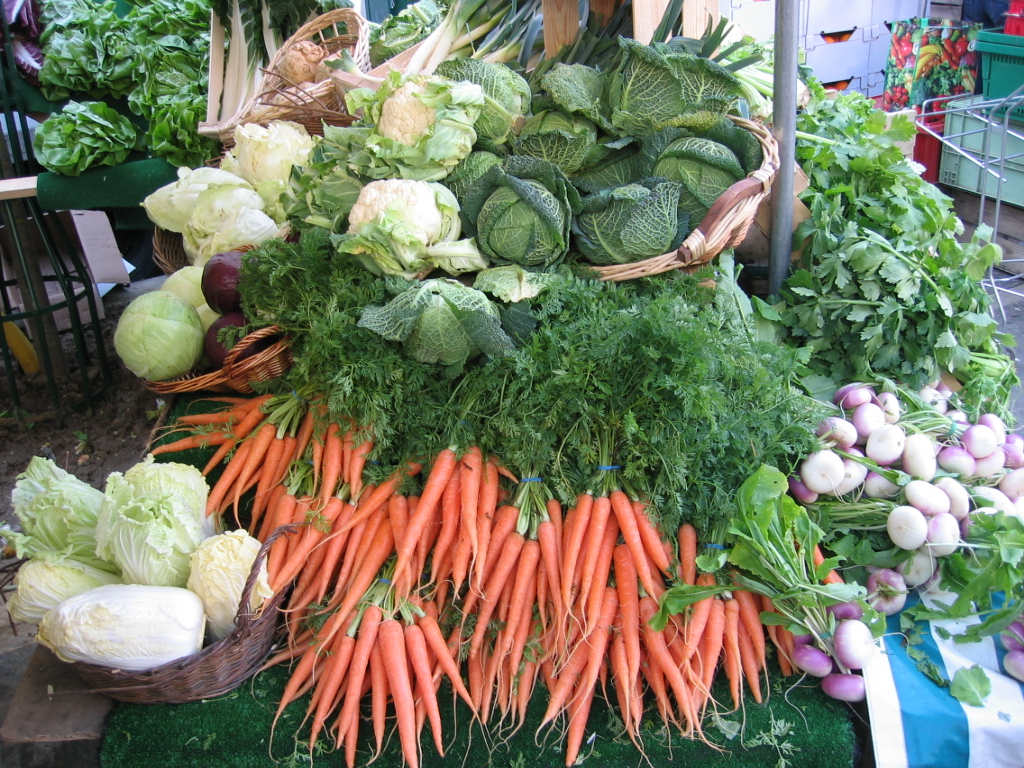
Consider giving our body the gift of more GREENS


File:Légumes 01.jpg


                                                                                 Photo from the Internet with thanks.

.It’s rare that you come across someone who LOVES eating green foods, but that doesn’t have to be the case for any of us. Not only can green foods be delicious they can make us feel fantastic, helping to cleanse and rebuild even the most jaded of bodies and spirits.
When I first explored eating more raw foods I admit I was one of those people who relied heavily on fresh juicy fruits and nuts, and most days I’d eat a salad, but it wasn’t what I’d now call a “decent” salad. And that’s because I’ve since learned that it’s nowhere near enough to have some green on your plate and think that’s sufficient, because it’s not! We need dark greens, even wild greens if we are so inclined and plenty of them. A plate of iceberg lettuce simply won’t make the grade.
So in this article I’m sharing with you 10 different ideas to incorporate more greens into your daily diet and love them, because not only is it possible, but maybe it's a sensible decision!
1: The Green Smoothie
Through various posts, I’ve already shared what I consider to be the easiest/ most yummy green smoothie recipes – Mango & Spinach is a smoothie I'm really enjoying at the moment,(because mangoes are the "fruit of the Gods" in my opinion & only in season for a few months of the year!) so hopefully you’re up to speed with what they are? (Brief explanation: A large amount of leafy green vegetables blended with some great-tasting ripe fruit of your choice to a soup or smoothie consistency).
My grandchildren just love green smoothies & whenever they visit it is one of their first requests, usually justified by saying " breakfast was very early & we are very hungry, so can we have a smoothie"!
 So how do we incorporate them into our diet? Good times of the day for drinking a green smoothie are: first thing for breakfast (start as you mean to go on – if you start your day with this you’ll feel set up for the day ahead and plenty full enough until lunch time); as a brunch if you get hungry between breakfast and lunch time; as a liquid lunch if you are pressed for time; as a pre-dinner course, perfect served as a drink or even a soup; as a supper if you’re not hungry enough to eat a ‘proper’ dinner, or if you’ve come in late from work or a night out and don’t want to eat before bed.
2: Variety is the Spice of Life
We are all guilty of falling into ruts with our eating habits, eating the same things over and over again, but it’s important in all menus to consider eating a wide variety of foods for pleasure and nutrition. So too is it important to choose a wide variety of greens from the vast range of green leafy vegetables
 (and herbs) and not just finding one and sticking with it. Here’s a starter list of green leafies that you can use as a checklist. Whichever ones you haven’t eaten for a while (or ever!) you may like to make it your personal project to hunt them down and try them out! Some can be quite bitter & in this case I would use apple or a sweet fruit to balance the overall flavor.
Beet & carrot green tops * Chicory * Chard * Spinach* Endive * Kale, flat green * Kale, curly * Lettuce, Cos *  Lettuce, Oak ( there are many other varieties too) * Lettuce, iceberg * Mizuna * Rocket (arugula) * English Spinach * Turnip greens * Basil * Chickweed * Chives * Coriander (cilantro) * Dandelion * Dill * Garlic mustard * Marjoram * Mint * Nettle * Oregano * Parsley * Peppermint  * Rosemary * Sage * Sorrel * Spearmint * Watercress *  celery * garlic chives* sprouts of every type
3: Green Soups
Green Soups are similar to green smoothies but are thicker, and obviously are looked on as meals rather than drinks. There are some great green soup recipes around. One of my personal favourites is Green Ginger Soup which is simply divine; remember ginger & cayenne adds warmth to the body & is great to add to recipes especially in the winter months.
Green Ginger Soup;
Blend in a Food processor
4 cups brocolli florets
3 chopped parsnips
2 ribs celery
2 Tabs onion
1" fresh ginger
1 Tab olive oil
3 cloves chopped garlic
A big handful spinach & of parsley
Veggie broth as needed
Salt, cayenne pepper & lemon juice to taste
Sometimes I add coconut milk for a creamy change.
I like to add some quinoa to my bowl & then pour in the warm soup.......delicious!
If you wish to cook this soup, place all the chopped ingredients in a saucepan & gently simmer for 3-5 minutes.
4: Take a Walk on the Wild Side
It’s rarely mentioned but is popular in many arenas of food preparation – it’s another consideration for all of us to eat some wild greens. These greens are (for the most part) as natural and potent as you’re going to get because they’re (typically) untouched by man and have not been treated in any way. So arm yourself with a guide book such as Food for Free and a carrier bag (and gloves if you’re going to pick nettles) and take yourself off for a walk to your nearest forest, farm or leafy park and see what you can find. I wouldn't recommend roadways where traffic is prevalent. Of course the great thing about this activity is that the food is free, abundant and it’s going to be fresh, fresh, fresh! AND you really may feel the difference when you eat wild foods – they can be thought to be electric! Great in juices, smoothies, various savoury recipes and of course any salads too.
5: Green Juices
Green juices are of course another great way to incorporate more greens into your diet. The difference between smoothies and juices is fibre – juices have no fibre, whereas smoothies have ALL of the fibre, but if you find smoothies too bulky or you just don’t like them, then juicing is a great alternative. The secret of a good green juice is to work with 1-3 strong green leaves such as kale, spinach, watercress, parley, wheatgrass etc., then add cucumber and/or celery for more liquid and extra vitamins and minerals, and if you feel your juice needs sweetening, add a little apple, pear, carrot, red bell pepper, lemon or lime or all of these!There’s nothing like a green juice for lifting your energy and mind, especially first thing in the morning. 
6: Herbs
Herbs are nature’s medicine and also one of the chef’s best allies. Herbs are so delicious and so fresh tasting that I encourage you to eat fresh herbs at least once per day. Add them to your smoothies, juices, to your salads and your savoury recipes. Line your window sills with them, they look stunning! Fresh herbs really do make all the difference.
7: Wheatgrass
Wheatgrass & barleygrass are  the mother of all greens. There are many ways you can take wheat & barleygrass, but obviously freshly juiced is the very best.These grasses are easy to grow & you can cut some fresh each day; they are also found in capsule & power form at your Healthfood shop. 
8: The Kale & Avocado Salad
 This salad is something that I rave about constantly. Everyone who tries it seems to adore it AND then goes on to incorporate it into their everyday life, not just now and again but daily! Why? Because it’s quick, easy and delicious and very versatile AND it enables you to happily eat tons of dark leafy greens! This is what I do:
Kale & Avocado Salad:
Finely chop as much kale as I think I can eat plus a little more (it shrinks). Make the pieces fairly small, say 1-2cm square, and set aside in a bowl. Then pour on some olive oil (flax oil is good too, as are others) and sprinkle on a little good quality salt such as Celtic sea salt or Himalayan Crystal Salt, or Herbamare. Next, massage the oil and salt into the leaves until the kale becomes ‘wilted’ and glistens. At this point the kale suddenly appears extremely appetizing and I can start to see the potential!
Next I add half to one avocado and massage that in to the leaves as well. Now I have coated kale. Next, give a good squeeze of lemon juice and mix it all in by hand. Taste test. I add more lemon if I want/need to.
Finally, I add in my favourite ingredients. For me this means sundried tomatoes or fresh tomatoes if I have them, occasionally spring onions (shallots) or olives, and sometimes instead I’ll sprinkle on some garlic or onion powder, or even curry powder! Whatever takes my fancy. When I have all my ingredients well mixed in, I sample a little and add anything that I think might be missing (highly unlikely!) and then sit down, exhale and enjoy! Macadaemias & hemp seed can be delicious in this salad too.
9: The Superfood Smoothie
Superfood smoothies are never going to be as good as real live fresh green smoothies, but when your fridge is bare then turn to your cupboards and pull out your Nature’s Living Superfood (Vita Mineral Greens) or other favourite green superfood powder and whip up a smoothie with it and other chosen ingredients.
10: Your Own Special Way
Each of us develops favourite ways of doing things over time.Similarly, green superfoods work the same way, as do herbs and all manner of other raw foods. It’s all about adding in good greens that you like & enjoy, 

Sunday, 17 February 2013

LENTILS

I retrieved this article below, from the Internet. It mentions cooking the lentils which is fine, but the whole ones can also be sprouted & eaten in any Raw dish.( simply covered in water & drained each night with fresh water added; they usually sprout in 2 or maybe 3 days, but make sure there is only a very small tail before using them) Lentils are not only a fine food but are also very cheap to buy so support any budget.
I will add my very favorite recipe at the end of the article! 

Lentils
Lentils
Compared to other types of dried beans, lentils are relatively quick and easy to prepare. They readily absorb a variety of wonderful flavors from other foods and seasonings, are high in nutritional value and are available throughout the year.
Lentils are legumes along with other types of beans. They grow in pods that contain either one or two lentil seeds that are round, oval or heart-shaped disks and are oftentimes smaller than the tip of a pencil eraser. They may be sold whole or split into halves with the brown and green varieties being the best at retaining their shape after cooking.

Health Benefits
Lentils, a small but nutritionally mighty member of the legume family, are a very good source of cholesterol-lowering fiber. Not only do lentils help lower cholesterol, they are of special benefit in managing blood-sugar disorders since their high fiber content prevents blood sugar levels from rising rapidly after a meal. But this is far from all lentils have to offer. Lentils also provide good to excellent amounts of six important minerals, two B-vitamins, and protein—all with virtually no fat. The calorie cost of all this nutrition? Just 230 calories for a whole cup of cooked lentils. This tiny nutritional giant fills you up—not out.
Lentils—A Fiber All Star
Check a chart of the fiber content in foods; you'll see legumes leading the pack. Lentils, like other beans, are rich in dietary fiber, both the soluble and insoluble type. Soluble fiber forms a gel-like substance in the digestive tract that snares bile (which contains cholesterol)and ferries it out of the body. Research studies have shown that insoluble fiber not only helps to increase stool bulk and prevent constipation, but also helps prevent digestive disorders like irritable bowel syndrome and diverticulosis.
Love Your Heart—Eat Lentils
In a study that examined food intake patterns and risk of death from coronary heart disease, researchers followed more than 16,000 middle-aged men in the U.S., Finland, The Netherlands, Italy, former Yugoslavia, Greece and Japan for 25 years.  When researchers analyzed this data in relation to the risk of death from heart disease, they found that legumes were associated with a whopping 82% reduction in risk!!
A study published in the Archives of Internal Medicine confirms that eating high fiber foods, such as lentils, helps prevent heart disease. 
Lentils' contribution to heart health lies not just in their fiber, but in the significant amounts of folate and magnesium these little wonders supply.
Lentils' magnesium puts yet another plus in the column of its beneficial cardiovascular effects. Magnesium is Nature's own calcium channel blocker. When enough magnesium is around, veins and arteries breathe a sigh of relief and relax, which lessens resistance and improves the flow of blood, oxygen and nutrients throughout the body. Studies show that a deficiency of magnesium is not only associated with heart attack but that immediately following a heart attack, lack of sufficient magnesium promotes free radical injury to the heart. Want to literally keep your heart happy? Eat lentils.
Lentils Give You Energy to Burn While Stabilizing Blood Sugar
In addition to its beneficial effects on the digestive system and the heart, soluble fiber helps stabilize blood sugar levels. If you have insulin resistance, hypoglycemia or diabetes, legumes like lentils can really help you balance blood sugar levels while providing steady, slow-burning energy. Studies of high fiber diets and blood sugar levels have shown the dramatic benefits provided by these high fiber foods containing 50 grams of fiber/day. Those who ate the diet higher in fiber had lower levels of both plasma glucose (blood sugar) and insulin (the hormone that helps blood sugar get into cells). The high fiber group also reduced their total cholesterol by nearly 7%, their triglyceride levels by 10.2% and their VLDL (Very Low Density Lipoprotein—the most dangerous form of cholesterol)levels by 12.5%.
Iron for Energy
In addition to providing slow burning complex carbohydrates, lentils can increase your energy by replenishing your iron stores. Particularly for menstruating women, who are more at risk for iron deficiency, boosting iron stores with lentils is a good idea—especially because, unlike red meat, another source of iron, lentils are not rich in fat and calories. Iron is an integral component of hemoglobin, which transports oxygen from the lungs to all body cells, and is also part of key enzyme systems for energy production and metabolism. And remember: If you're pregnant or lactating, your needs for iron increase. Growing children and adolescents also have increased needs for iron.

Lentils are legumes, seeds of a plant whose botanical name is Lens ensculenta. They grow in pods that contain either one or two lentil seeds.
Lentils are classified according to whether they are large or small in size with dozens of varieties of each being cultivated.
The different types offer varying consistencies with the brown and green ones better retaining their shape after cooking, while the others generally become soft and mushy. While the flavor differs slightly among the varieties, they generally feature a hearty dense somewhat nutty flavor.

.Store lentils in an airtight container in a cool, dry and dark place. Stored this way, they will keep for up to 12 months. If you purchase lentils at different times, store them separately since they may feature varying stages of dryness and therefore will require different cooking times. Cooked lentils will keep fresh in the refrigerator for about three days if placed in a covered container.

My Favorite Lentil Recipe, although not one I personally developed
(Thanks must go to Sarah Britton for this dish, it is sooo good!  )

2 1/2 cups of sprouted green french lentils ( these could be cooked al dente if you wish)
1 cup currants
1/3 cup capers
Handful of parsley
Handful of coriander
Handful nuts of choice ( I use walnuts, but these are optional)

Gently toss everything together before adding this dressing
1/3 cup olive oil
1/4 cup apple cider vinegar
1 Tab maple syrup
1 Tab strong mustard
2 Teas salt & pepper
1 Tea cumin
1/2 tea tumeric
1/2 tea coriander & cardamon
1/4 tea nutmeg & cinnamon
1'4 tea cayenne & ground cloves

Enjoy....YUM with a green salad!

If anyone reading this has a great lentil recipe they would like to share
 I'd love to hear from you in the comments, so others too can benefit.

Monday, 11 February 2013

What's in Your Refrigerator?


 I recently read a very Hum Hum article by Naomi Shannon asking "What's in your refrigerator" ?
It struck a cord with me as I know there are things at times lurking in mine that have well passed their eat by date! I make an effort to clean mine out most weeks before purchasing fresh produce, but obviously there are times when this doesn't happen! Ideally I like to create a sense of order so things store well & I know where I can locate anything that I need to make into something delicious, at a moments notice.
Have you ever noticed what's in the average person's refrigerator? Perhaps it's fairly bare with nothing you could find to make a wholesome meal, or maybe it is jammed so full with left overs, limp half dead veggies on shelves dotted with spills, & endless half full bottles, jars & packets of God knows what, that you wish only to close the door quickly before "something" escapes!!
I sometimes feel sad to see friends eating in such a limited way, in quality of food & especially variety. Maybe in their effort to keep their weight in check they have resorted to low fat everything from cheese, milk, margarine, biscuits etc. ( obviously not, if they are vegans) 
Most items in a can, jar, packet or box are not the healthiest of choices either & old stale produce certainly holds little if any nutritive value.
I was thinking that perhaps a shopping list might help in making some great choices when going to the Supermarket. Obviously this is purely a guide & certainly not complete, but many of these foods I eat most weeks or use in a recipe, if only to whip up a smoothie, or a dressing for a fresh salad or to pour over some lightly steamed veggies. Eating what is in Season or in the veggie garden helps with cost & I usually select what I feel like eating & looks fresh & wonderful, so this may vary a lot from week to week.

Nuts:  Almonds, Cashews, Walnuts, Pecans, Pine Nuts, Brazil Nuts, Macadamia Nuts
Seeds: Flax, Sunflower, Hemp, Pumpkin, Chia, Sesame Seeds
Grains: Buckwheat, Kamut, Quinoa, Oats
Veggies: Greens of every description, Lettuce, Kale, Spinach, Zucchini, Tomatoes, Cucumber, Celery, Carrots, Cabbage, Broccoli, Cauliflower, Garlic, Onions, Sweet Potato, Avocadoes, Chili, Sprouts ( if I haven't made them up myself)
Herbs: Parsley, Basil, Rosemary, Coriander
Fruit: Grapes, Apples, Lemons, Oranges, Limes, Berries, Bananas, Mangoes, Pineapple,Nectarines, Peaches, Apricots, Watermelon, Rockmelon
Extras: Sundried Tomatoes, Sprouted Essene Bread, Nutelex Spread, Nut Butters if you don't make them yourself,  Olive Oil, Coconut Oil, Macedamia & Flax Oil, Himalayan Salt, Honey, Agave, Tamari, Nutritional Yeast, Cacao Powder, Dates, Dried Shredded Coconut, Cranberries, Lentils & Seeds for Sprouting, Chickpeas, Dried Herbs & Seasonings of choice
I'm sure there are many other things you may like to add to this basic list but if you have even some of these ingredients, a healthy meal is possible..